

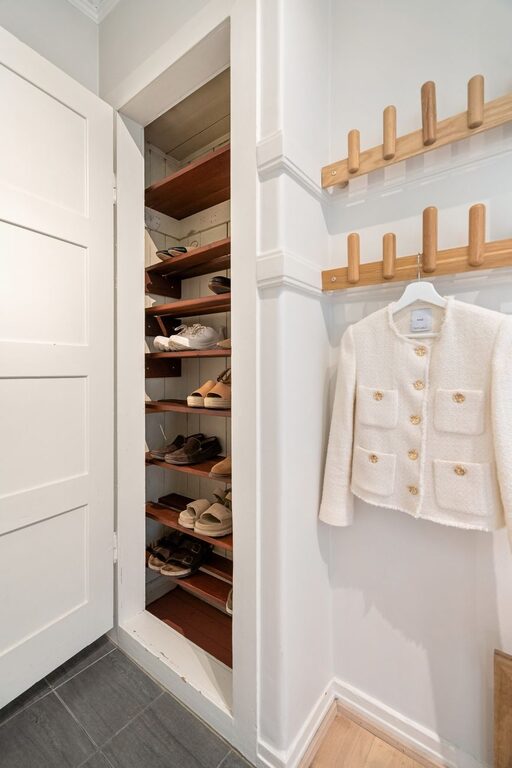
Small spaces can be comfortable, stylish, and easy to live in when every item has a thoughtful place. The key is not simply adding more containers. It is using overlooked areas, choosing furniture that serves more than one purpose, and keeping storage easy to access.
Whether you live in a small apartment, a compact house, or a single crowded room, these practical storage ideas can help you make better use of the space you already have.
Start With a Simple Storage Plan
Before buying shelves or bins, take a close look at what you own. Storage works best when it matches your habits and the items you need to keep.
Begin by sorting belongings into four groups:
– Items you use every day
– Items you use occasionally
– Items you want to keep but rarely need
– Items you no longer use
Keep frequently used items in the easiest-to-reach locations. Store seasonal or occasional belongings higher up, under furniture, or in less convenient areas. If an item is difficult to reach, you are less likely to use or put it away.
Measure available spaces before purchasing storage products. A few minutes with a tape measure can prevent oversized shelves, bins that do not fit, or doors that cannot open fully.
Use Vertical Space
When floor space is limited, look up. Walls and the space above furniture offer valuable storage opportunities without making a room feel more crowded.
Add Wall Mounted Shelves
Wall mounted shelves can hold books, baskets, plants, kitchen supplies, and decorative items. Install them above desks, sofas, beds, or counters where the wall would otherwise go unused.
For a cleaner appearance, use matching baskets or boxes on open shelves. This keeps smaller items together and reduces visual clutter.
Install Pegboards and Wall Rails
Pegboards are useful in kitchens, work areas, craft rooms, and entryways. Hooks, small shelves, and baskets can be rearranged as your needs change.
Wall rails are another flexible option. In a kitchen, they can hold utensils, measuring cups, or towels. Near an entryway, they can keep keys, bags, and hats within easy reach.
Make Use of the Space Above Doors
The area above a door is often overlooked. A narrow shelf can store extra towels, small boxes, books, or infrequently used supplies. Because this area is less accessible, it is best for items you do not need every day.
Choose Furniture With Built In Storage
In a small room, each piece of furniture should work hard. Look for designs that combine their main function with useful storage.
A bed with drawers underneath can hold clothing, spare bedding, or shoes. An ottoman with a lift up lid can serve as seating, a footrest, and a place to store blankets. A coffee table with shelves or hidden compartments can keep remotes, books, and games organized.
Other helpful options include:
– Benches with storage compartments
– Desks with drawers or shelves
– Nightstands with multiple levels
– Sofas with space beneath the seat
– Drop leaf tables with storage nearby
Choose furniture that fits the room carefully. Storage furniture that is too large can block pathways and make the space harder to use.
Make the Most of Closets
A closet often has more capacity than it appears to have. The goal is to use its height, depth, and door space efficiently.
Add a second hanging rod to double the amount of hanging space for shorter clothing. Use slim hangers to create extra room without changing the closet size.
Shelf dividers can separate stacks of clothing, bags, or linens. Clear boxes make it easier to see what is inside, while labeled containers work well for items stored on high shelves.
Do not overlook the closet door. An over the door organizer can hold shoes, accessories, cleaning supplies, or small household items. Choose a design that does not prevent the door from closing properly.
Improve Kitchen Storage
Small kitchens benefit from storage that keeps counters clear and supplies easy to reach.
A rolling cart can add a work surface and provide extra shelves. It can be moved when needed and tucked beside a refrigerator or cabinet when not in use.
Use vertical dividers for baking sheets, cutting boards, and serving trays. Cabinet risers can create a second level for plates, bowls, or cans. Pull out bins are helpful for deep cabinets because they make items at the back easier to reach.
Other useful kitchen ideas include:
– Magnetic strips for metal tools
– Hooks beneath cabinets for mugs
– Drawer organizers for utensils
– Stackable containers for dry goods
– A narrow shelf beside the refrigerator
Try to keep daily-use items near the areas where you use them. This reduces unnecessary movement and makes cleanup faster.
Create Order in the Bathroom
Bathrooms often have limited cabinets, so small additions can make a noticeable difference.
Install a shelf above the toilet for extra toilet paper, towels, or toiletries. A slim rolling cart can fit between the sink and wall. Suction cup baskets or shower caddies can hold bath products without taking up floor space.
Use drawer dividers to separate grooming supplies, cosmetics, and personal care items. Store backup products together in one labeled container so you can see what needs replacing.
If you share a bathroom, assign each person a basket or shelf section. This simple system can prevent products from spreading across every available surface.
Use Under Bed and Under Sofa Space
The area under beds and sofas is ideal for items that are not needed every day. Use low containers with lids or wheels so they can be pulled out easily.
Good items to store in these areas include:
– Seasonal clothing
– Extra blankets
– Luggage
– Shoes
– Holiday decorations
– Keepsakes
Avoid placing loose items directly on the floor. Containers protect belongings from dust and make it easier to move everything when cleaning.
Measure the height beneath the furniture before buying containers. Low profile boxes are usually the best fit.
Organize the Entryway
A well-organized entryway can prevent clutter from spreading into the rest of the home. Even a small wall can support a practical drop zone.
Install hooks for coats, bags, and umbrellas. Add a narrow shelf for keys and mail, or place a small tray on an existing surface. A slim shoe cabinet can store footwear while using much less depth than a standard shelf.
If you do not have a dedicated entryway, create one near the main door with three simple elements:
- A hook for bags or coats
- A tray for small items
- A basket for shoes or accessories
Keep the system simple enough to use every day. The best entryway storage is the kind that makes putting things away nearly effortless.
Keep Storage Easy to Maintain
Storage systems only work when they are easy to maintain. Avoid filling every container to the top. Leave a little extra room so items can be returned without rearranging everything.
Use labels where they save time, especially for boxes stored in closets or high cabinets. Review storage areas every few months and remove items that no longer serve a purpose.
A useful rule is to keep everyday items visible or within easy reach, while placing less frequently used belongings in closed storage. This creates a balance between convenience and a tidy appearance.
Small spaces do not require complicated solutions. With vertical storage, multipurpose furniture, organized closets, and carefully chosen containers, you can make each area more useful. Start with one problem spot, create a system that fits your routine, and build from there.