

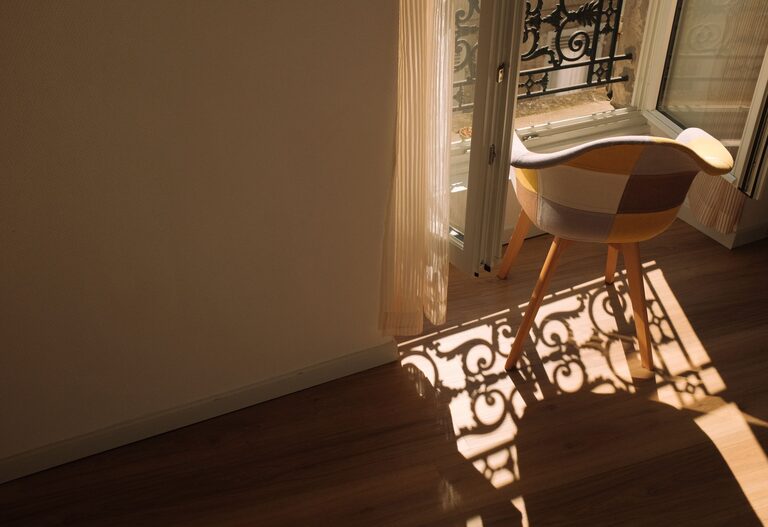
A dark room can feel cozy, but it may also seem smaller, colder, or less inviting than you would like. Fortunately, you do not need a major renovation to make the space feel brighter. A few thoughtful changes to lighting, wall color, furniture, and decor can help reflect more light and create a more open atmosphere.
Whether your room has small windows, faces away from the sun, or simply needs a refresh, these easy ideas can make a noticeable difference.
Start With Better Lighting
The fastest way to brighten a dark room is to improve its lighting plan. One central ceiling light may not be enough, especially if the room has dark corners or a large amount of furniture.
Layer Your Light Sources
Use several types of lighting to create a warm, balanced effect:
– Ambient lighting: Provides general light throughout the room, such as a ceiling fixture or recessed lights.
– Task lighting: Focuses light where you need it, such as a desk lamp, reading lamp, or under cabinet light.
– Accent lighting: Highlights details, such as artwork, shelving, or plants.
Place lamps at different heights to spread light around the room. A floor lamp can brighten an empty corner, while a table lamp can add a soft glow to a side table or console.
Choose bulbs with a warm white appearance for living rooms and bedrooms. For work areas, a neutral white bulb may provide clearer light. Check the bulb packaging to compare brightness, and use energy efficient LED bulbs for long lasting performance.
Keep Windows Clear
Windows are one of the best sources of natural light, so avoid blocking them with heavy curtains, tall furniture, or large decorations.
Choose window treatments made from light, airy fabrics. Sheer curtains allow daylight to enter while still adding privacy. If you need more coverage at night, pair sheers with simple side panels that can be pulled open during the day.
Keep curtain rods slightly wider than the window and mount them a little higher than the frame. This allows the curtains to sit outside the window when open, making the window appear larger and letting in more light.
Also, clean the glass regularly. Dust and smudges can reduce the amount of daylight that enters the room.
Use Light Colors Strategically
You do not have to make every surface pure white to brighten a room. Soft colors can reflect light while adding personality and warmth.
Good choices include:
– Soft white
– Cream
– Pale gray
– Light beige
– Warm taupe
– Pale blue
– Soft green
If you prefer a darker accent color, use it on one wall or in small decorative details instead of covering the entire room. A light ceiling can also make the space feel taller and more open.
Paint finishes matter as well. An eggshell or satin finish reflects more light than a flat finish, while still providing a subtle, comfortable look. Test paint samples on different walls before committing, since color can change throughout the day.
Add a Large Mirror
A well-placed mirror can reflect both natural and artificial light. It can also make a room feel larger by creating the impression of another window or opening.
Place a mirror opposite or beside a window to reflect daylight into the room. If that is not possible, position it across from a lamp or light fixture. Large mirrors work especially well above a console, fireplace, or sofa.
For a more decorative approach, group several smaller mirrors together. Choose frames that match the room’s style, but avoid filling every wall with reflective surfaces. One large mirror or a carefully arranged group is usually enough.
Choose Reflective Finishes
Small reflective details can help bounce light around the room without making it feel overly bright or cold. Consider adding:
– Glass tabletops
– Metal lamp bases
– Ceramic vases
– Glossy picture frames
– Light-colored furniture with smooth finishes
– Decorative objects with a subtle sheen
Use these finishes in moderation. A few reflective accents can add brightness, while too many may create visual clutter.
Lighten the Floor and Soft Furnishings
Dark flooring can absorb light and make a room feel heavier. If replacing the floor is not practical, use a large, light-colored rug to brighten the lower part of the room. Cream, beige, light gray, and muted patterns are versatile options.
You can also update the room with lighter textiles. Try replacing dark throw pillows, blankets, and curtains with lighter or brighter versions. Fabrics in natural shades can make the space feel fresh without requiring a complete style change.
Choose materials with different textures, such as cotton, linen, wool, or woven fibers. Texture adds interest even when the color palette is simple.
Rearrange the Furniture
Furniture placement can affect how much light travels through a room. Avoid placing tall bookcases, cabinets, or sofas directly in front of windows. If possible, keep a clear path from the window to the center of the room.
Arrange larger pieces along the walls and leave some open space in the middle. This can make the room feel less crowded and allow light to move more freely.
Consider the visual weight of each item. Bulky, dark furniture may dominate a small room, while furniture with raised legs or open frames can create a lighter appearance. You may not need to replace everything; simply moving one or two pieces can make a difference.
Brighten the Walls With Art
Artwork can add color and energy to a dark room. Choose pieces with a light background, open space, or brighter colors to create a more cheerful focal point.
A gallery wall does not need to be complicated. Combine a few framed prints, photographs, or simple illustrations in a balanced arrangement. White, natural wood, or metallic frames can help the display feel brighter.
If the room already has several dark elements, avoid choosing artwork that is mostly black or deep brown. Instead, look for designs that include light tones and colors that connect with the rest of your decor.
Bring In Greenery
Plants can make a dark room feel more welcoming and lively. If the room receives limited sunlight, choose varieties suited to low-light conditions. Place plants near a window, on a shelf, or in a bright planter that adds another light-colored accent.
If live plants are not practical, high-quality artificial plants can provide a similar decorative effect. You can also use botanical prints, floral fabrics, or nature-inspired accessories to introduce a fresh feeling.
Keep plant displays simple and avoid blocking windows or lamps.
Reduce Visual Clutter
A crowded room often feels darker, even when it has enough light. Too many objects can interrupt the flow of the space and make shadows more noticeable.
Begin by clearing surfaces such as coffee tables, dressers, and shelves. Keep only the items you use or truly enjoy. Store everyday essentials in baskets, boxes, or closed cabinets.
Open shelving can look attractive, but it may become visually busy. Arrange items with space between them and group similar colors together. A cleaner layout helps the room feel more open and lets bright details stand out.
Use Small Changes for a Big Effect
You can brighten a dark room gradually rather than changing everything at once. Start with the most noticeable improvements:
- Open and clean the windows.
- Add a lamp to a dark corner.
- Replace heavy curtains with lighter ones.
- Hang a mirror near a light source.
- Add a light rug or a few pale textiles.
- Remove furniture or decorations that block light.
- Finish with a few reflective or colorful accents.
The goal is to balance brightness, comfort, and personal style. With the right combination of light, color, and open space, even a naturally dark room can feel welcoming, cheerful, and easy to enjoy.