

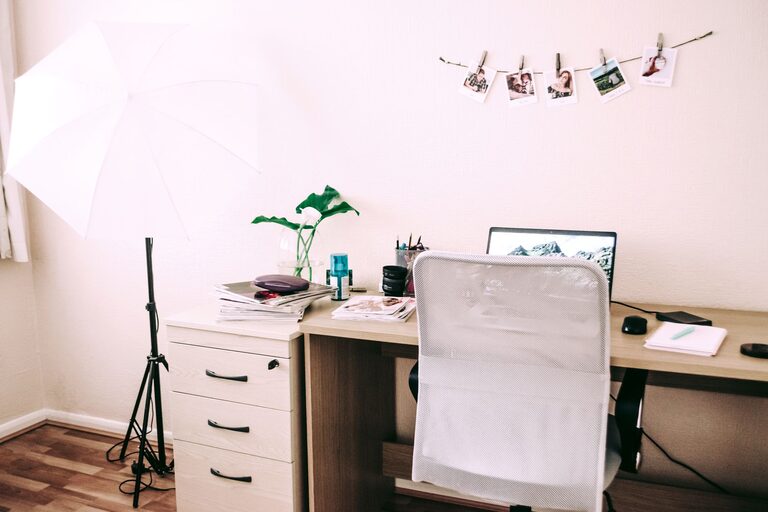
A workspace should be more than a place to complete tasks. It can also reflect your personality, support your routines, and help you feel comfortable throughout the day. Personalizing your workspace does not require expensive furniture or a complete redesign. A few thoughtful changes can make the area feel more welcoming and practical.
Whether you work from home, study, or use a shared office, these simple ideas can help you create a space that feels like your own.
Start With a Clean Foundation
Before adding decorations or accessories, take a few minutes to clear your workspace. Remove items you no longer use, sort loose papers, and put everyday supplies where they are easy to reach.
A clean foundation makes personalization easier because it gives each item a clear place. It also helps prevent your workspace from feeling crowded.
Try these quick steps:
– Clear everything from the main work surface.
– Group similar items together.
– Recycle or remove anything you no longer need.
– Wipe down your desk, keyboard, and other frequently used surfaces.
– Return only the items that support your daily activities.
Once the area is tidy, you can decide what would make it more comfortable and enjoyable.
Choose a Color Scheme
Color is one of the easiest ways to personalize a workspace. You do not need to repaint the walls or replace your furniture. Small details such as a desk mat, notebook, storage boxes, or artwork can introduce a consistent color scheme.
Choose one main color and one or two complementary shades. For example, soft green with cream and wood tones can create a calm look. Blue, gray, and white can give the space a clean appearance, while warmer shades such as yellow or terracotta can make it feel more energetic.
Keep the colors practical. If you spend many hours at your desk, extremely bright or busy patterns may become distracting. A few coordinated accents can add personality without overwhelming the space.
Add Meaningful Decorations
Personal items can make a workspace feel more welcoming. Consider displaying objects that have personal meaning, such as:
– A framed photograph
– A favorite piece of artwork
– A small travel souvenir
– A handwritten note
– A certificate or creative project
– A decorative item connected to a hobby
Choose a small number of meaningful pieces rather than filling every available surface. One or two carefully selected items can have more impact than a crowded collection.
If you share your workspace with others, a small personal display can help define your area without taking over the room.
Bring in a Plant
Plants can add color and natural texture to a workspace. Choose a plant based on the light available and the amount of care you want to provide.
A small potted plant can sit on a desk, shelf, or filing cabinet. If your workspace has limited natural light, consider a low-maintenance option. You can also use dried flowers, a small vase, or a realistic artificial plant if caring for a live plant is not practical.
Use a simple container that matches your workspace style. A ceramic pot, woven basket, or plain metal planter can make the plant feel like part of the overall design.
Improve Your Lighting
Good lighting affects both the appearance and comfort of a workspace. If possible, place your desk near a source of natural light, while keeping the screen positioned to reduce glare.
A desk lamp can add a personal touch as well as useful task lighting. Look for a design that fits your style, whether that means a simple modern lamp, a classic reading light, or a colorful adjustable model.
Layering different types of light can make the space more pleasant:
– Use natural light during the day.
– Add a desk lamp for focused tasks.
– Use a softer lamp or nearby light in the evening.
– Avoid placing bright lights directly behind or in front of a screen.
A well-lit workspace can feel more inviting and easier to use.
Display Inspiration Carefully
Many people enjoy keeping reminders, quotes, sketches, or plans near their desks. A bulletin board, magnetic board, or framed print can provide space for these items without covering the entire wall.
Create a small inspiration area with a mix of useful and decorative pieces. You might include a weekly checklist, a calendar, a favorite illustration, or a few color samples.
Refresh the display from time to time. Removing old notes and replacing them with current items keeps the area useful rather than letting it become visual clutter.
Make Organization Part of the Design
Storage does not have to look purely functional. Trays, boxes, baskets, and organizers can help control clutter while adding style to your workspace.
Choose storage that matches your color scheme and fits the items you use most often. For example, a tray can hold notebooks and papers, while a small container can keep pens, cables, and other accessories together.
Use labels when they make sense, especially for drawers, boxes, or shared storage. Clear organization saves time and makes it easier to maintain the workspace after a busy day.
Personalize Your Everyday Tools
Small changes to frequently used items can make your workspace feel more personal. Try choosing notebooks, folders, pen holders, or a mouse pad that reflect your preferences.
You can also personalize plain items with simple details:
– Add a name label to notebooks or storage boxes.
– Use colored clips to group documents.
– Choose a keyboard or mouse in a preferred color.
– Keep a favorite pen in a visible holder.
– Use a reusable cup or water bottle with a design you enjoy.
These items are practical, so personalization becomes part of your daily routine rather than extra decoration.
Add Comfort Without Creating Clutter
A comfortable workspace can help you stay focused for longer periods. Consider adding a supportive chair cushion, a soft footrest, or a small rug if the floor feels uncomfortable.
Keep comfort items simple and easy to move. A blanket, cushion, or pair of headphones can be useful, but too many objects may reduce your available work area.
You can also personalize the position of your equipment. Arrange your monitor, keyboard, notebook, and other tools according to the way you naturally work. A workspace that fits your habits will feel more personal than one arranged only for appearance.
Create a Small Reset Routine
Even the most attractive workspace can become messy over time. A short reset routine helps preserve the look and function of the area.
At the end of the day, spend five minutes returning items to their places. Put away papers, clear empty cups, organize cables, and prepare the surface for the next work session.
You may also choose one day each week to refresh the space. Water plants, dust surfaces, review stored items, and replace decorations that no longer feel useful.
Let the Space Evolve
Your workspace does not need to be perfect immediately. Personal style often develops gradually as you discover what helps you feel comfortable and organized.
Start with one or two changes, then observe how the space works for you. You may find that you prefer fewer decorations, more storage, brighter colors, or a larger area for creative work.
The best workspace is one that supports your needs while showing some of your personality. With a few simple updates, you can create an area that feels organized, comfortable, and distinctly your own.